Tuesday, April 9, 2024

Support someone's good idea...


·      Lots of people have lots of ideas.

·      Percentage wise, not many get produced or used.


My neighbor’s kid got a 3D printer for Christmas – when I saw that 10-year-old making a Godzilla-like toy monster I was speechless. For 10 years the idea of 3D printing has been in the works, talked about in the paper, with promises of great things to come.  And there it was, in my neighbor’s home, cranking out toys. Like me, l bet you’ve thought of things that you wish could have been developed, but it’s a long way from thought to finish with an invention. And yet every day, people like us think up better ways to do things and immediately put them into practice – because the value of an idea lies in the using of it. And it’s the little things that can and do get used and which improve people’s work and lives. The moral of this story: don’t be so quick to discard a good idea; better yet, don’t be so quick to dismiss good ideas that your employees come up with. Listen, encourage, and support them, and see what kinds of improvements get used today.


Thomas Alva Edison (1847 – 1931): American inventor and businessman who developed many devices in fields such as electric power generation, mass communication, sound recording, and motion pictures.

Monday, April 8, 2024

Believe in others and they'll believe in themselves...


Everyone wants their employees to be thoughtful and creative. But too few of them create a work environment that supports and encouragers that.


·      Employees who are encouraged to think usually do.

·      Employees who feel supported to be curious usually are.

·      Employees who feel trusted will trust their choice to be there.


This isn’t rocket science – creating a workplace of trust, support, and freedom to think pays for itself every day. They work harder. They find more satisfaction in their work. They’re happier. And their colleagues and customers feel that. When we committed to training people to have the skills and tools to do what was expected, their productivity skyrocketed. When we started explaining why we said and did things, their respect for their managers skyrocketed. When we started catching them doing things right, their confidence and retention skyrocketed. We knew that with the right support they’d just want to do more and be more. If you want your employees to take ownership of what they do and how they do it, you’ve got to support them and show them you care. Don’t give your employees a reason to doubt where they are or what they’re doing – give them all the love and support they need to shine today.


Sylvia Plath (1932 – 1963): American poet, novelist, and short story writer. She is credited with advancing the genre of confessional poetry.

Sunday, April 7, 2024

Train, practice, and coach your team...


            bench strength


·       In Sports: the quality and number of players available to substitute during a game.

·       In Business: the competence and number of employees ready to fill vacant leadership and other positions.


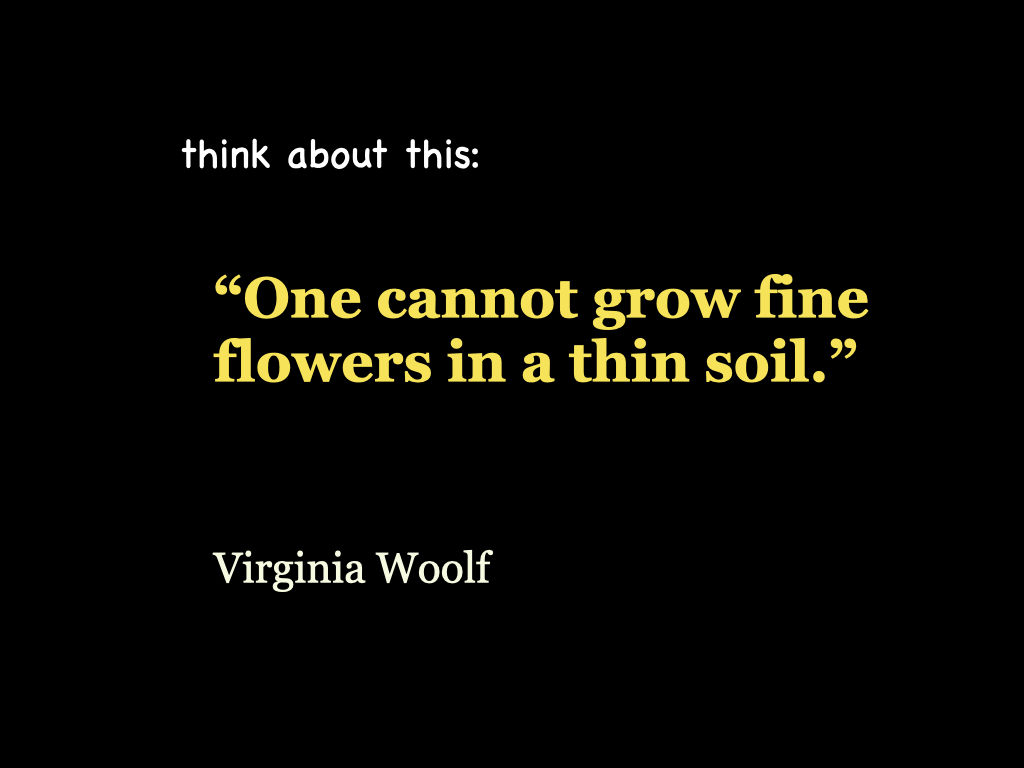
This weekend’s NCAA men’s and women’s basketball championships highlight the importance of having a strong bench of diverse and qualified athletes. The two teams in each championship series are full of great players – but the trophy is usually won by the team whose players complement each other the best. The same is true in business: big projects, special projects, and just plain busy days all need a staff of people who can support one another, step in or up when challenges arise, and lend their strengths when creativity is needed. When we opened hotels, our staff of talented and diverse professionals were called upon for work, extra work, and special projects and I was fortunate to be able to mix and match them the same way a coach substitutes athletes as needed. That takes planning – to know what will be needed, training – to make sure people have the skills you know will be required, and coaching – providing constant feedback and guidance. Think of yourself as the coach of a sports team – get your playbook in order, make sure everyone knows the plays, practice, and walk the sidelines managing the action. Make sure you have plenty of rich soil for your team to work and grow in today.


Virginia Woolf (1882 – 1941): English writer, author, and essayist. She pioneered the use of stream of consciousness as a narrative device.

Thursday, April 4, 2024

Say less and listen more...


·      There’s no secret that happy employees do excellent work. 

·      So why don’t we focus more on making employees happy.


If you were to get your hands on employee handbooks from 100 different companies, nearly all would focus on rules and what happens when you break them. How many do you think focus on inspiring employees to strive for excellence? When’s the last time you asked an employee what it would take to make them happier at work? We get so caught up in one-size-fits-all schedules and processes that we boil out the excitement about coming to work. Years ago, we told our guest room attendants how many rooms they had to clean each day – that was a source of friction until we told them they could earn bonus points for meeting expected standards. Suddenly, they got energized and creative - we stopped telling them what to do and began listening to how they thought things should be done. That little give and take led to a marked increase in employee satisfaction and excellent performance. We focused on catching them doing things right and they found joy and pride in doing excellent work. Find what makes your employees happy and focus on that today.


Pearl S. Buck (1892 –1973): American writer and novelist best known for The Good Earth, the best-selling novel in the United States in 1931 and 1932. She won the Pulitzer Prize in 1932 and in 1938 became the first American woman to win the Nobel Prize in Literature.

Wednesday, April 3, 2024

Keep an eye on your real self...


·      The one person you can’t lie to is yourself.

·      You may try, but it will always fail.

·      And that’s for your own good.


We’re told to brush our teeth twice a day – ostensibly for good oral health. But my grandmother taught me that it’s two chances per day to look at yourself in the mirror and assess what you see. Some days you may not like it, but it’s always a chance to take stock, learn something new about yourself, and make some course corrections before you get too far down the wrong road. Good advice. Tough love. Nowadays, employees are empowered to make judgments daily about us… for the same reasons. To keep us on our toes. Don’t get me wrong – this is a good thing: not just the self-reflection but also the self-correction part (if needed). The longer you put these things off, the worse it gets. In the old days it was our conscience that kept us in check; now everyone is our judge. If you or they see something, say something. And don’t ignore it or lie to yourself. The trick is not to give yourself or anyone else cause to think poorly of you or your habits. It’s called ethics and integrity. It’s called doing what’s right. Every time, all the time. That way you can put all your energy and efforts into doing good work and great things today.


Paulo Coelho de Souza (born 1947): Brazilian lyricist and novelist and a member of the Brazilian Academy of Letters since 2002. His 1988 novel The Alchemist was an international best-seller.

Tuesday, April 2, 2024

Keep working the room..


I love working with teams of people, and often find both optimists and pessimists among them.


·      I’m an optimist and always see the glass as half full.

·      I can usually inspire people to think optimistically.

·      At least while I’m working with them.


A leader’s role is to guide and inspire others. It can sometimes get complicated because every person and situation is unique, meaning one size rarely fits everyone. That’s why the most effective leaders begin by analyzing the people and situations they encounter – that usually starts by asking basic questions, listening to people’s perspectives, and making sure everyone is heard. A pessimist might see difficulty in that, but an optimist will find opportunities to get people engaged. You must have patience to make this work – don’t look for right or wrong and find things to build upon. Life and work are complicated, and everyone today seems to want to give their opinion – when they do, ask them to expand on that and how it applies to the situation at hand. Encourage them to acknowledge differences of opinion and look for common ground. That’s the best way to get people to agree on an objective and work on doing great things together today.


Sir Winston Churchill (1874 – 1965): British statesman, soldier, and writer who served as Prime Minister of the United Kingdom, from 1940 to 1945 and again from 1951 to 1955. 

Monday, April 1, 2024

Key your eye on the small things...


suc·cess

/səkˈses/

noun

1.

the accomplishment of an aim or purpose.


Everything we do is made up of lots of little steps, strung together to best achieve our objective. The Mirage was the first big project we did, and the first Gantt chart we created had more than 400 items down the left-hand column and each was plotted over a 365-day period – those were all the things everyone had to accomplish in the year before opening. That was expanded for subsequent openings to two and three years, adding more items to the left-hand column and extending the timeline. That helped us focus on each of the small efforts, which when worked on day-in and day-out, began adding up to lots of little things being completed so that subsequent things could then be started and completed. That original chart was done on paper and pasted to a tall and long wall, making it easy for everyone to view and track their projects. That eventually transitioned into computer project plans, but many of us still remembered and liked that wall of work. It gave us purpose, scope, focus, and a collective sense of accomplishment. Break down your work into small efforts today.


Robert Collier (1885–1950): American author of self-help and New Thought metaphysical books in the 20th century. He was involved in writing, editing, and research and wrote about the practical psychology of abundance, desire, faith, visualization, confident action, and personal development.

Be Known for Your Character, Not Just Your Achievements 🌟 🏛️ ✨

T he measure of a life is not whether we always succeed, but whether we remain true to who we are. Winning may impress people, but being tru...